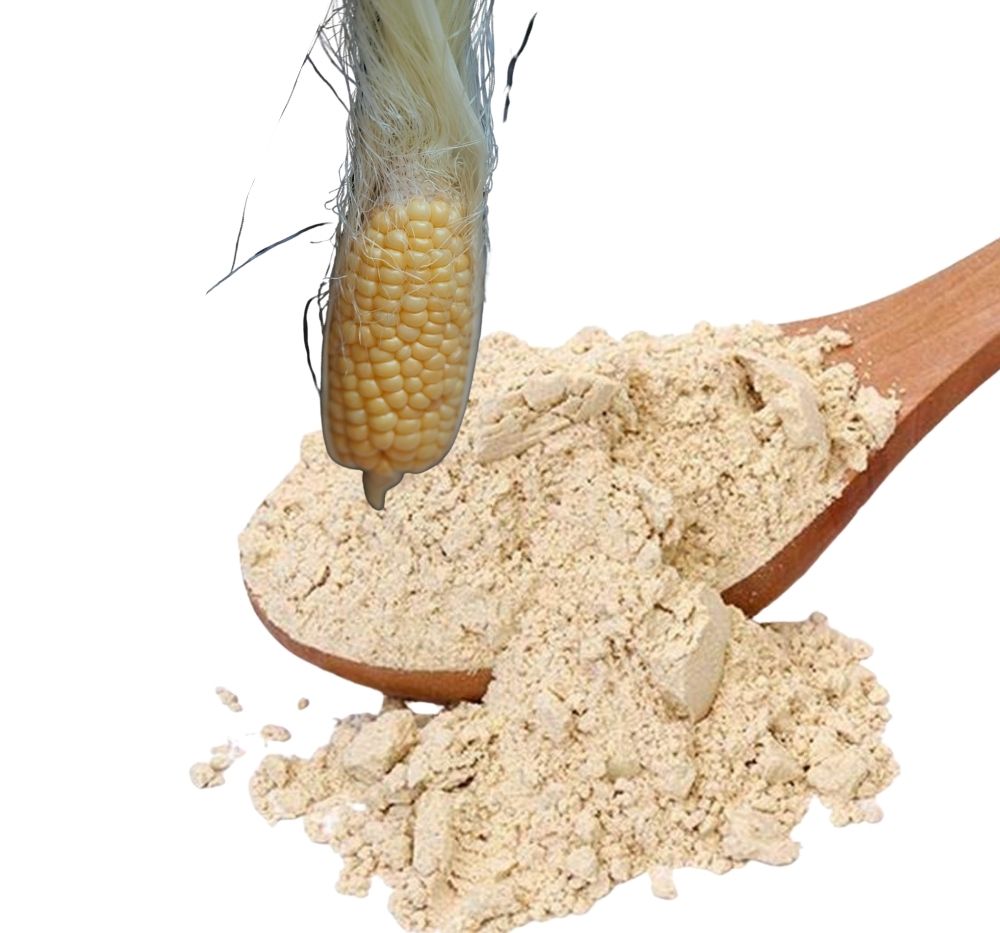
Makai ko Pitho (मकैको पीठो) is the Nepali term for cornmeal or maize flour. It’s a staple in Nepali cuisine, especially in rural and hilly areas, where corn is a major crop. Makai ko Pitho is a versatile ingredient used in a variety of dishes, valued for its distinct flavor and coarse texture.
Key Characteristics and Uses
- Distinct Flavor and Texture: Makai ko Pitho has a sweet, earthy flavor and a slightly gritty texture, which gives a unique feel to the dishes it’s used in. This is different from the finer texture of wheat flour.
- Versatile in the Kitchen: The flour is most commonly used to make dhindo, a thick, porridge-like dish that serves as a staple meal, often eaten with lentils (dal) or vegetable curry (tarkari). It can also be used to make rustic flatbreads (roti) and other traditional snacks.
- Nutritional Value: Makai ko Pitho is a good source of carbohydrates, fiber, and some vitamins and minerals. It provides a significant amount of energy, which is essential for people engaged in physically demanding work.
- Cultural Significance: In many parts of Nepal, corn-based dishes are a fundamental part of the daily diet. Makai ko Pitho is more than just an ingredient; it represents a deep connection to the land and the simple, wholesome food that has sustained generations.